
Live Bearers
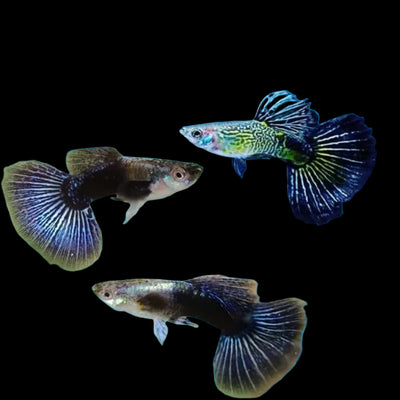
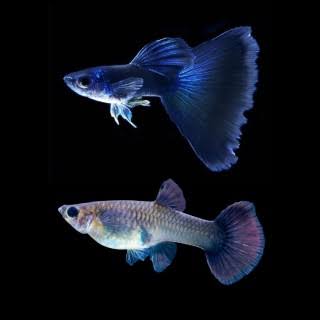
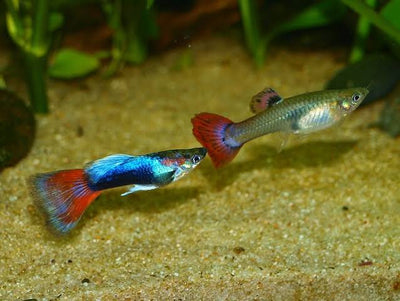
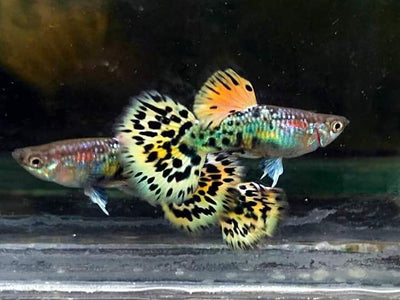
1) Define what livebearer fish are and identify the primary species commonly kept in aquariums, such as Guppies, Mollies, Platies, and Swordtails. (2) Research the unique reproductive biology of livebearers, specifically focusing on internal fertilization, gestation periods, and the birth of free-swimming fry. (3) Investigate the ideal water parameters for popular livebearer species, including temperature ranges, pH levels, and water hardness requirements. (4) Detail the dietary needs and feeding habits of livebearers, highlighting the differences in nutrition required for adult fish versus newborn fry. (5) Explore the social behavior and compatibility of livebearers with other fish species to determine suitable tank mates for a community aquarium. (6) Analyze habitat and tank setup requirements, such as the importance of live plants and hiding places for protecting fry from adult predation. (7) Identify common health issues and diseases prevalent in livebearer populations and search for effective prevention and treatment methods. (8) Search for unique or less common livebearer families, such as Anableps (four-eyed fish) or Halfbeaks, to provide a broader biological perspective.